

What is Active Noise Cancellation (ANC)?
Active noise cancellation (ANC) is an audio technology that reduces unwanted background noise before it gets the chance to reach your ears. It’s almost like the noise never existed. At least, that’s how it will feel because an ANC headset picks it up first, through tiny built-in microphones. Then it cancels it out so you can focus, regardless of the noise.
Apply that technology to work and suddenly you can block out distractions while taking an important call, working on your commute, or trying to block out the coworking space around you.
Give it a go for yourself:
How does Active Noise Cancellation work?
Step 1: Detect
Tiny built-in microphones in the headset constantly listen to the world around you and pick up background sounds, like the hum of an air conditioner, cars honking in traffic, or people chatting two desks over.
Step 2: Analyze
An internal digital signal processor (DSP) reads the shape of the incoming sound wave, measuring its frequency and timing. It then generates the exact opposite of that wave by flipping its phase 180 degrees, like a mirror image. That's the "anti-noise" wave.
Step 3: Cancel
The headset plays that inverted anti-noise wave alongside your audio. When the original noise meets the anti-noise wave, the two collide and cancel each other out, reducing the sound before it reaches your eardrums.
Feed-forward ANC
In a feed-forward ANC system, the microphones are placed on the outside of the earcups, and they detect surrounding noise before it reaches the ear. The internal processor uses that signal to generate anti-noise that helps reduce unwanted sound.
Feedback ANC
With feedback ANC, the microphones sit inside the earcups, positioned close to the listener’s ears, to monitor the sound inside the headset. This allows the internal processor to continuously adjust the signal and help reduce unwanted noise that reaches the inside of the earcups.
This close-range loop makes feedback ANC good at reducing steady, low-frequency noise, such as the low hum of the office equipment or air-conditioning hum. The downside is that it can be less effective against sudden, high-frequency sounds, and its performance can vary depending on earcup fit and other acoustic conditions.
The best of both ANC is within reach
Combining feed-forward and feedback ANC is what gives professional-grade headsets their full noise-canceling range, covering both sharp sounds and low-frequency drone.
Jabra uses this hybrid setup across its headsets to deliver top-tier noise cancellation for professionals, wherever they work.
Active vs. passive noise cancellation: What's the difference?
Not all noise-canceling headsets rely on digital signal processing algorithms to reduce background noise. Some of the background noise reduction comes from the physical materials and design of the headset – an approach known as passive noise cancellation.
Here's how passive and active noise cancellation compare:
How it works | Uses physical materials like dense ear cushions and snug earcups to form a seal that muffles sound before it gets in. | Uses microphones and an internal processor to detect incoming noise and cancel it with an inverted sound wave. |
Toggle? | Always on whenever you're wearing the headset. There's nothing to switch. |
Can be toggled on or off through the headset controls or companion app.
|
Best for | General broadband sound damping, especially for sudden high-frequency noise like voices and clicks.
| Neutralizing steady, low-frequency sounds, like a moving train, humming HVAC, or a coffee machine |
Outcome | Reduces everyday distractions and softens incoming sound, but won't block everything out. | Cancels noise before it reaches your ears, so background noise fades out rather than just getting quieter. |
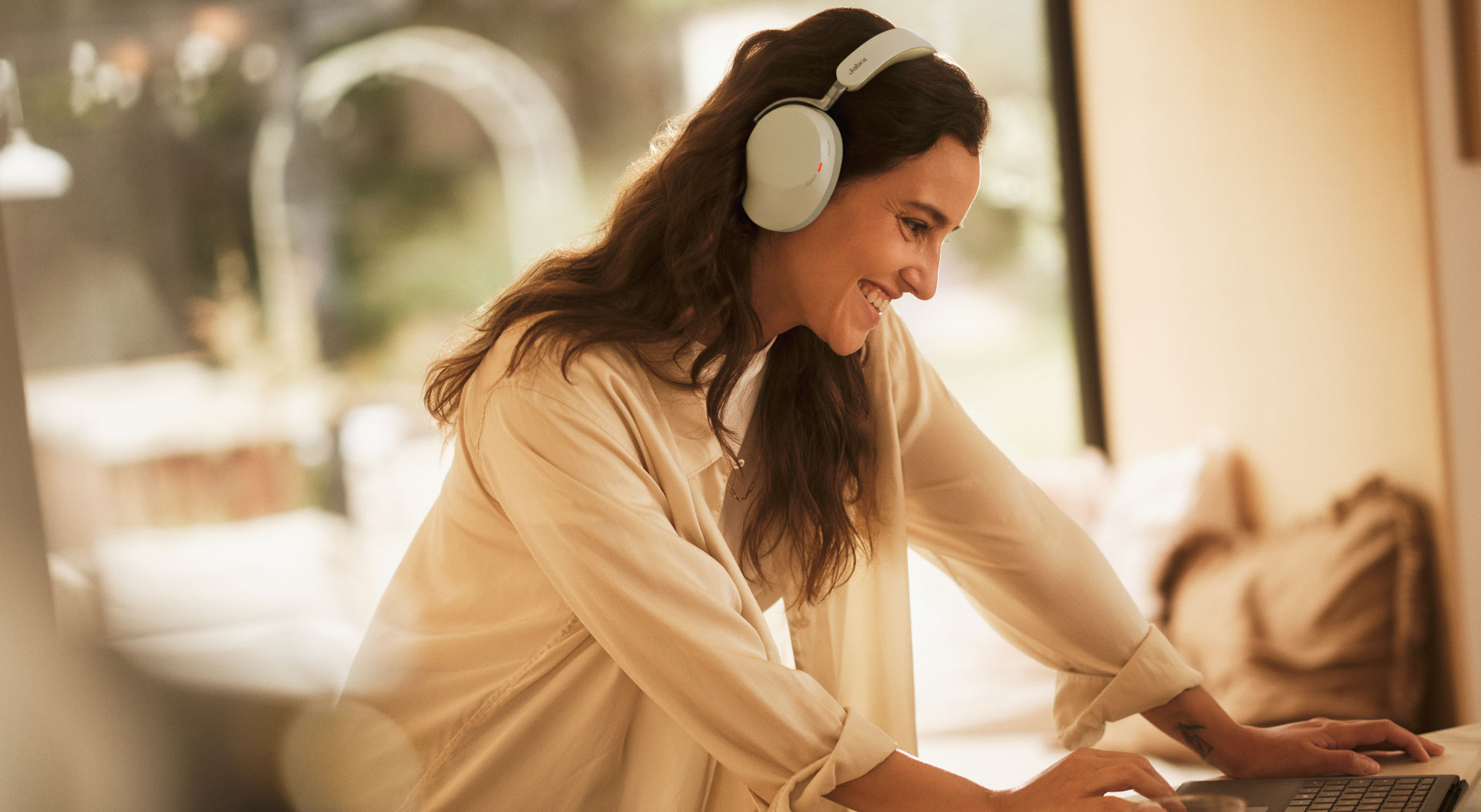
The best professional headsets combine passive and active noise cancellation. Jabra's Evolve3 85, for example, uses an over-ear design that seals out ambient sounds, then layers adaptive ANC on top to minimize the noise that finds its way through while not compromising other important experiences such as comfort.
Types of ANC and where they work best
Jabra doesn’t rely on any one type of ANC. What gets deployed in each headset depends on the job it's trying to do so that you can do yours more effectively and without distraction. The type of ANC a desk-bound employee needs in a busy open-plan office differs from the one a hybrid employee needs when working across a home office, a co-working space, and a commute.
Here are the main types of ANC Jabra uses, where each one works best, and the Jabra headset you’ll find them in:
1. Feedforward ANC
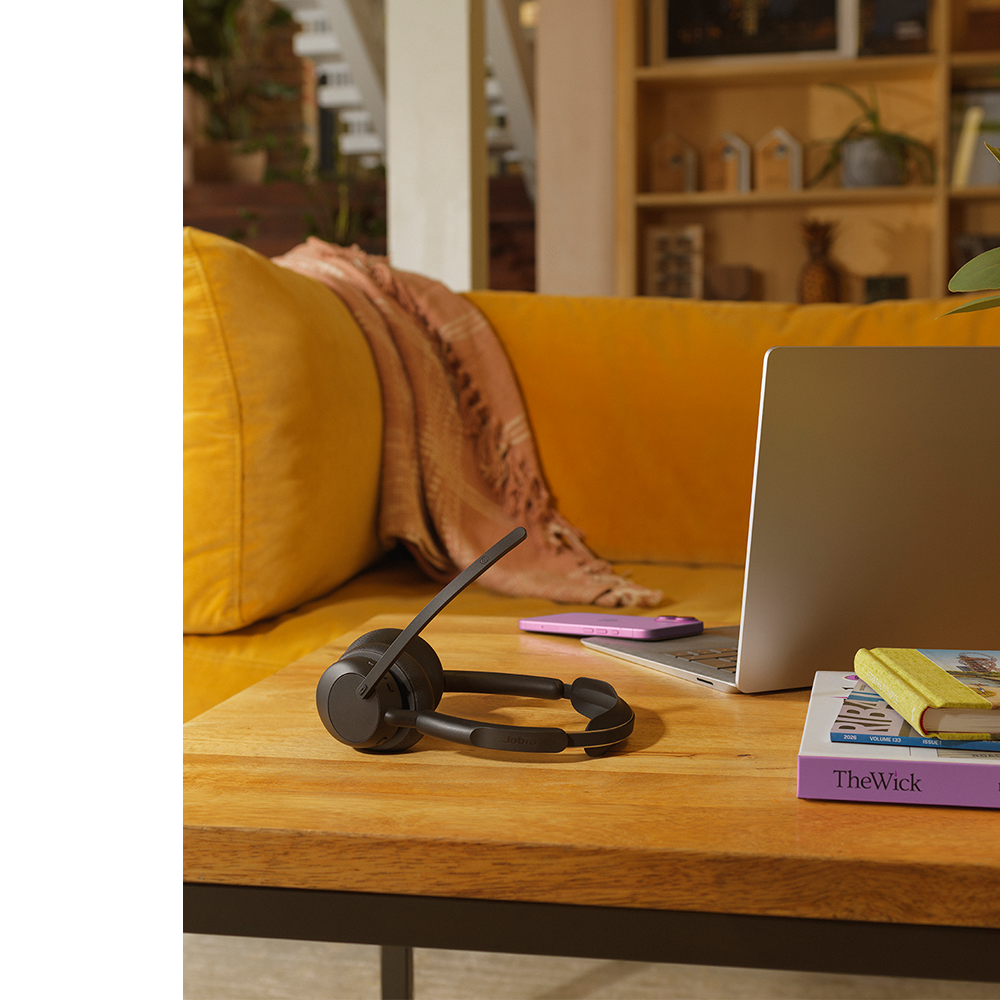
As already mentioned, feed-forward ANC uses external microphones to catch ambient noise before it reaches your ears. It's reliable and consistent in stable settings where background noise stays constant.
Jabra puts this technology to work in the Evolve3 45 headset. In a company office or home office with steady background noise, like the hum of an AC unit, the whir of a desk fan, or the drone of a printer, this headset keeps that noise in check so you can hear clearly on calls while your voice comes through crystal-clear on the other end.
2. Adaptive ANC
Jabra's Adaptive ANC goes beyond a fixed level of noise cancellation. It uses microphones to detect noise around you and automatically adjust the level of noise cancellation. Jabra uses this approach in the Evolve3 65 and Evolve3 65 Flex, each taking adaptability a step further.
2.1. Adaptive ANC Optimized for Individual Fit
Here's how it works: instead of relying on one fixed level of noise cancellation, the headset is adaptable to the fit of the individual user to minimize the impact of sound leakage so that ANC is more effective. In the Evolve3 65, Jabra’s 4-mic adaptive ANC helps block office chatter and other distractions, even while you’re on a call, so you can stay focused.
Say, you're on a call during your morning commute. The headset increases noise cancellation by adapting the individual user fit which helps reduce the access of the sounds like rumble of the train and traffic outside, then again the adaptability improves the ANC experience when you move into a quieter space like a meeting room.
This adaptability allows the headset to respond to differences in fit, for example, variations in head size or shape, or small gaps caused by wearing glasses. In this way, ANC adjusts accordingly and delivers more consistent performance across different users.
That responsiveness makes adaptive hybrid ANC a strong fit for open-plan offices and busy indoor spaces where noise levels fluctuate throughout the day.
2.2 Adaptive ANC Optimized for Individual Fit and Wind
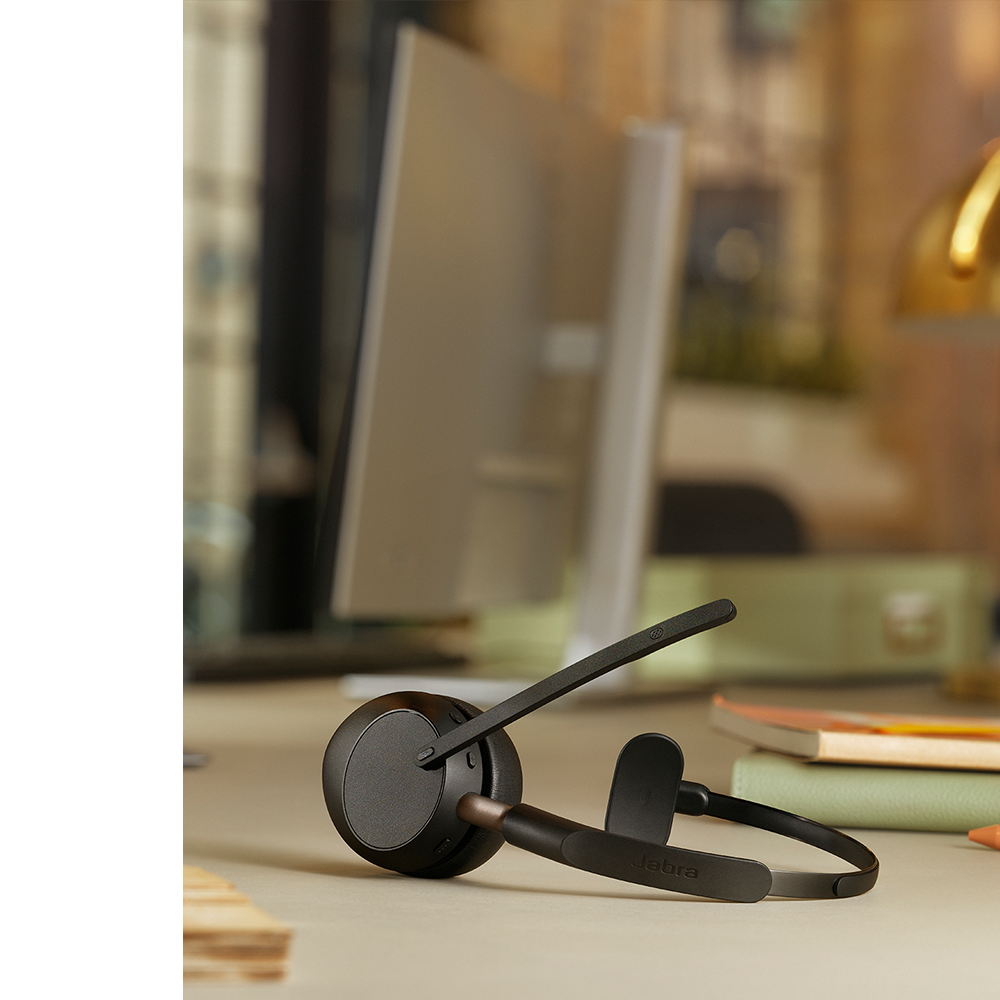
Because an on-ear headset shifts slightly every time you talk, chew, or turn your head, the amount of noise leaking in can change from moment to moment.
To combat this, Jabra’s adaptive ANC responds in real time, adjusting noise cancellation to match changing conditions.
When wind hits a regular headset, it blows across the outside microphone and creates a low-frequency rumbling noise that gets played directly into your ears. Jabra addresses this with wind-adaptivity technology, added on top of the Adaptable ANC in headsets like Evolve3 65 Flex.

3. Jabra Advanced ANC ™ (on-ear)
Unlike on-ear models that rest against your ears, an over-ear headset wraps fully around them with thick, cushioned memory-foam ear pads.
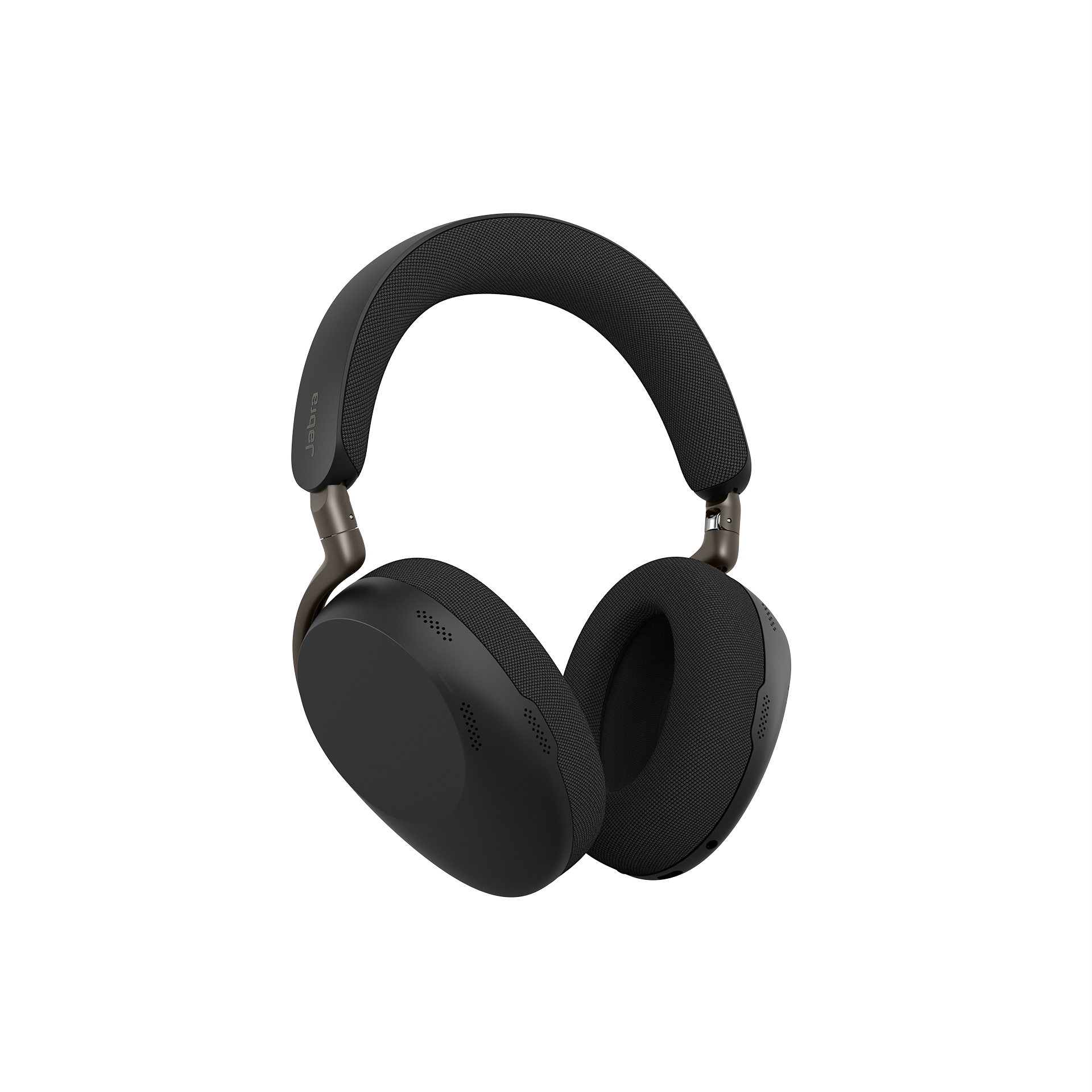
This design, which you'll find in the Evolve3 85, blocks a significant amount of noise on its own, so Jabra's digital processor has far less to handle. The software then works in tandem with the physical shell, to minimize background noise that still finds its way through[L.
Powered by Jabra advanced ANC™, the Evolve3 85 is built around balance, delivering a powerful noise reduction without compromising on comfort. As the most comfortable headset in its category, with a balanced clamping force that never feels too tight or heavy, it is designed to stay with you through a full working day.

Shop Jabra ANC headsets
Evolve3 series
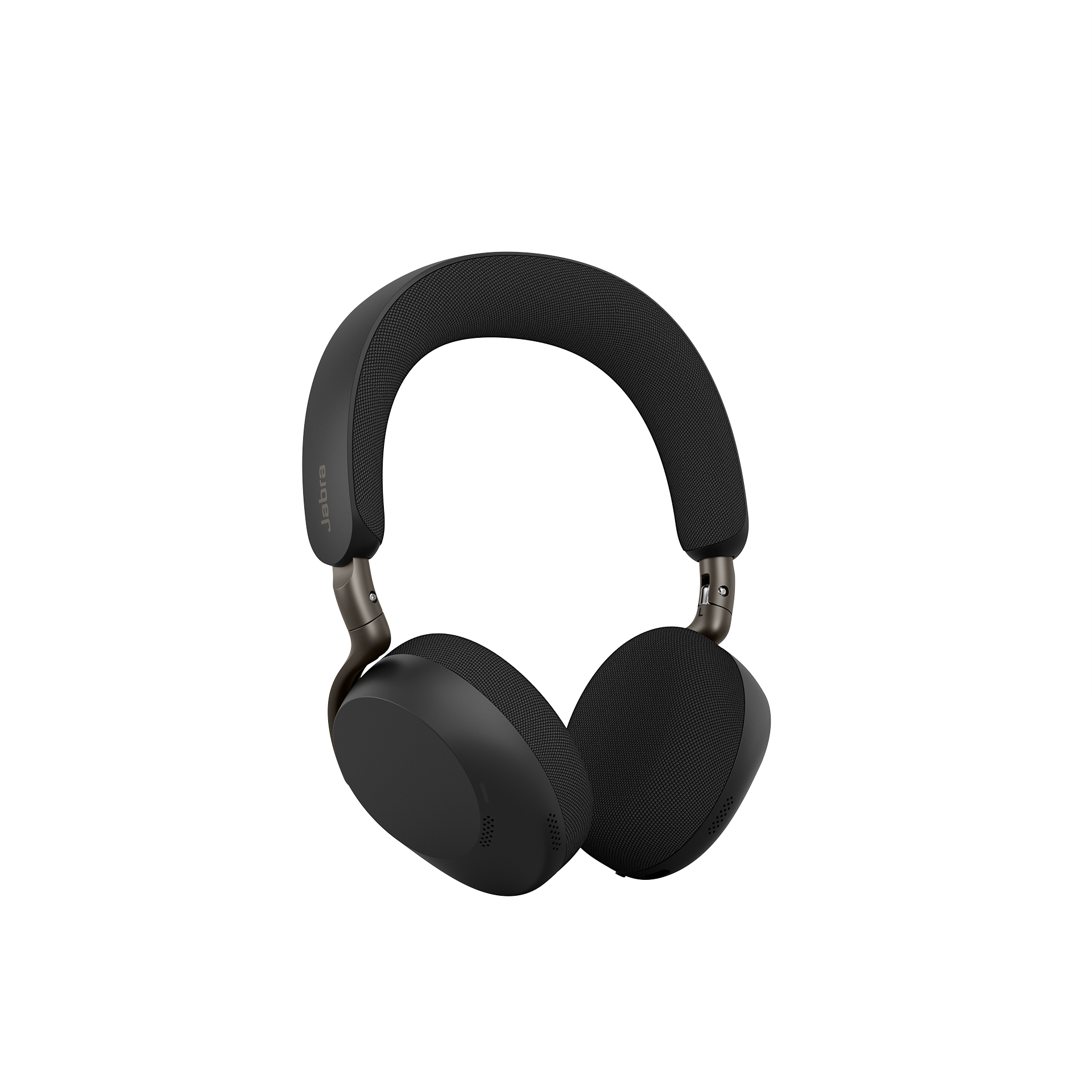
Evolve3 85 | For professionals who need to focus in loud and diverse environments. | |
Evolve3 75 | Hybrid professionals who want advanced ANC in a lighter on-ear fit. | |
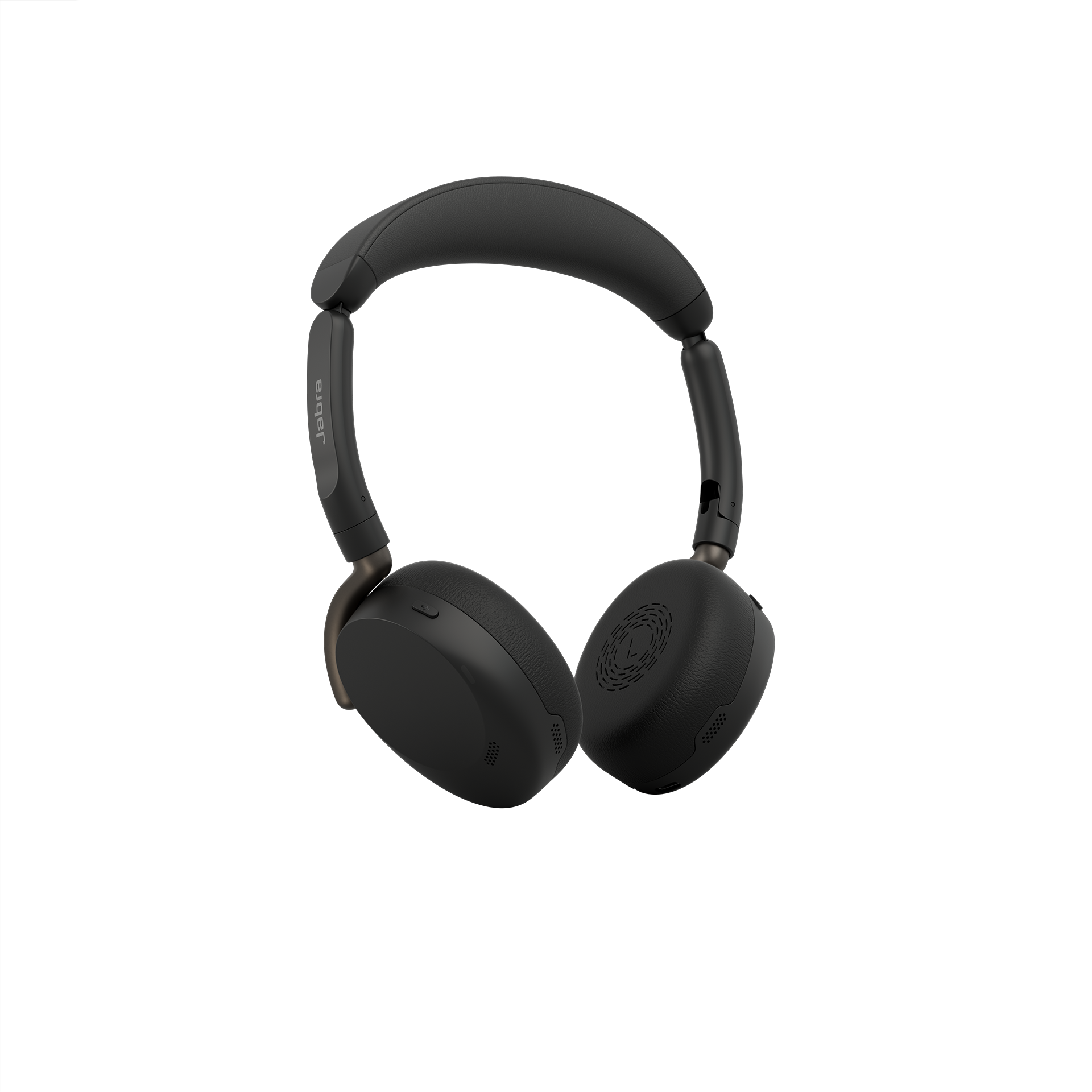
Evolve3 65 Flex | Hybrid workers who take calls outdoors and on the commute. | |
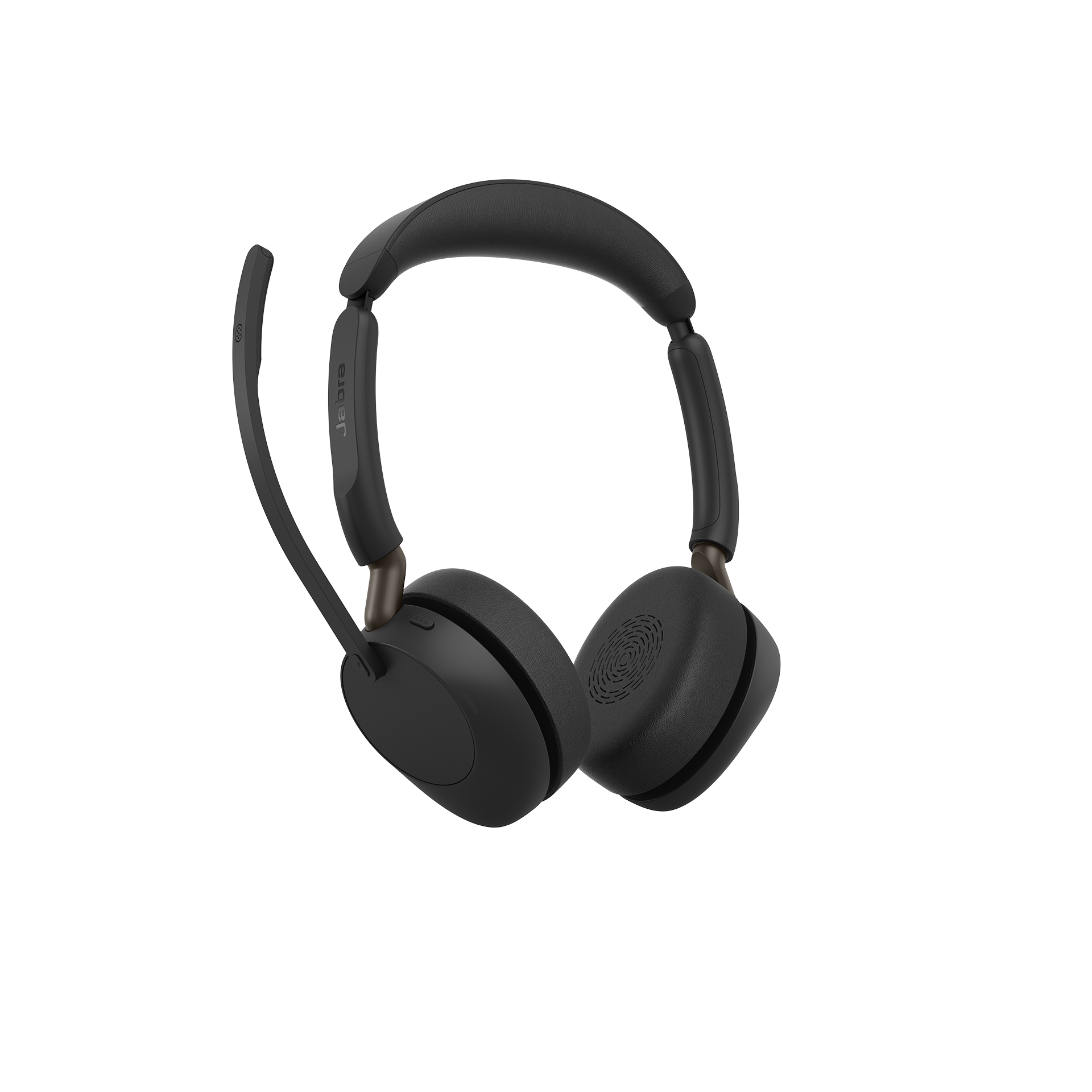
Evolve3 65 | Professionals who work in open-plan offices where noise levels fluctuate throughout the day. | |
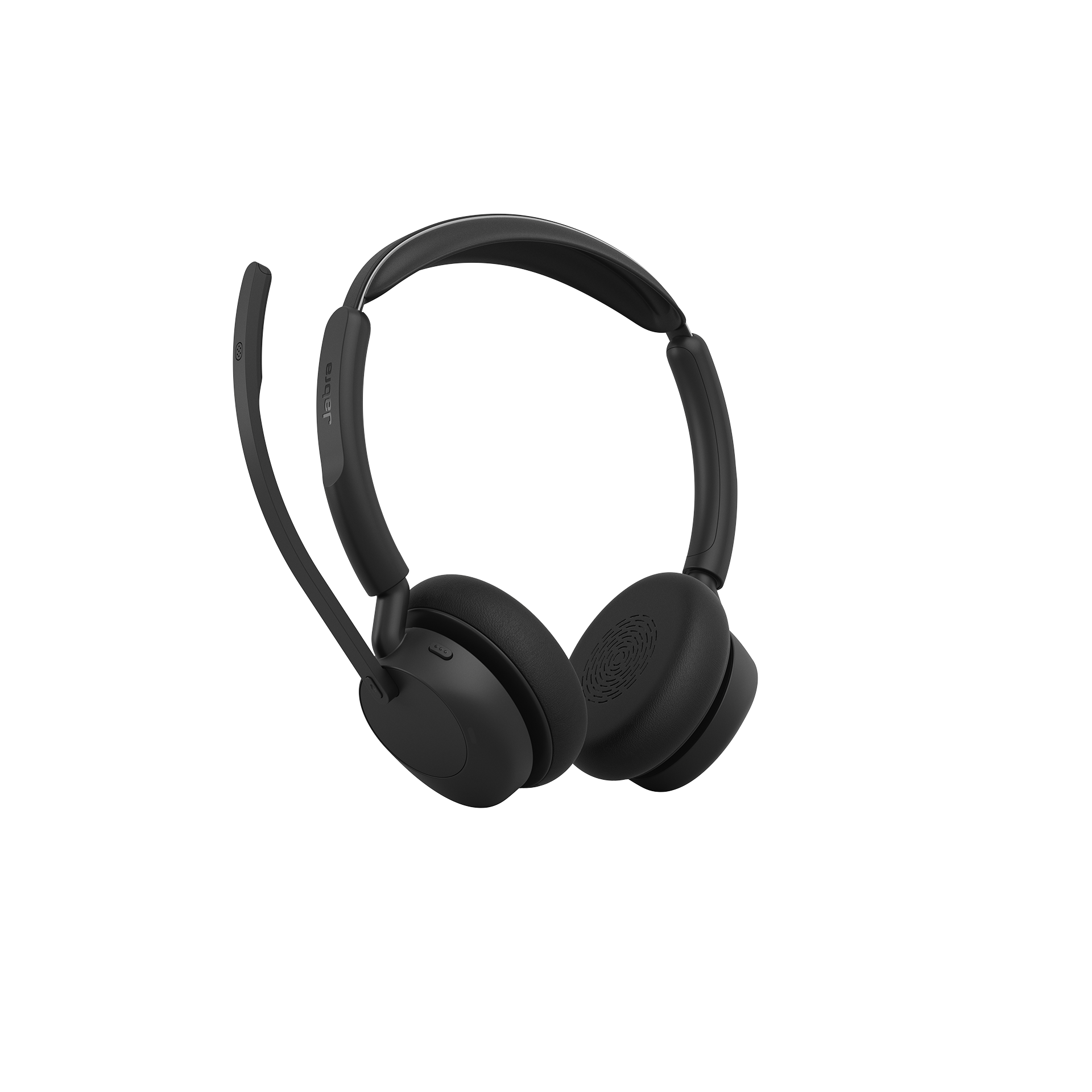
Evolve3 45 | Desk-bound employees who work in a company office or home office with steady background noise. |
Still weighing your options? Compare the full Jabra headset range to find the perfect match for the way you work.