

How to Increase Employee Engagement (By Fixing What’s Broken)
Most engagement efforts fail because they focus on measuring engagement instead of creating it in daily experiences.
Think of it this way: Imagine you’re at a party where the host asks everyone, “Are you having a good time?” You say yes, but deep down, you’re not sure they really care. A few weeks later, they text you a long survey about the party. By then, you barely remember what the food tasted like. And even if you do share honest feedback, will it really change anything for the next party?
That’s exactly how engagement efforts feel in many workplaces. We ask employees how they felt long after the moment has passed. By the time leadership reacts, the energy has shifted, frustrations have settled in, and some people have already checked out—mentally or even physically.
Engagement doesn’t happen through surveys or one-time programs. It happens in the everyday moments—the way people communicate, connect, grow, and feel supported at work.
That’s why the best workplaces don’t just collect feedback; they act on it in real-time. A simple way to do that? The 5 C’s of employee engagement—a framework that helps you focus on what really matters: communication, connection, career growth, culture, and care.
Here’s how to apply them:
Clarify purpose by connecting their daily work to the company's mission
People disengage when they don't see how their work contributes to larger goals – 51% of team members are likely to leave because of this.
This disconnect happens because humans naturally seek meaning in their work. When your team members can't see the direct impact of their daily tasks, they feel their efforts lack purpose.
The endless spreadsheets, customer calls, or code they produce seem pointless because they don't understand how it helps achieve something meaningful. This creates a motivation vacuum where work becomes mechanical rather than purposeful, leading to decreased effort and eventual resignation.
So, how can you connect these dots?
1. Help them understand their purpose.
- This means explaining how their work directly impacts the company’s goals, customers, and bottom line. When your team members see the tangible results of their efforts, they become more invested in their work.
- Here’s how Amjed Saffarini, CEO at Trove, makes purpose clear:
Turn company goals into measurable Impact
- Instead of vague targets, use impact metrics—specific, measurable goals that show the real-world effect of employees' work.
- Then, help team members understand their role in achieving these goals.
- Example: Instead of saying, “We need to improve efficiency,” say: “If we process 20% more claims this month, we’ll help 430 more families receive their benefits on time.” In a MedTech company developing AI imaging tools, it could be: “If we increase our AI’s accuracy by 10%, radiologists can detect early-stage cancer cases sooner—helping save more lives.”
Connect everyday tasks to the bigger picture.
- Engagement isn’t just about knowing the goal—it’s about seeing why daily work matters.
- Regularly explain the ‘why’ behind tasks so employees stay motivated.
- To Amjed, team members who know why their work matters are “dedicated not only to the trade that they're involved with... but actually see the bigger picture of what you're trying to do."
Show employees the impact of the work on customers
- People connect best when they see real customer outcomes.
- Bring in actual users to share how your product or service made a difference.
- Example: For us at Jabra, we share customer stories like this: “For me, the three-lens camera is a great feature. The 180° viewing angle (of the PanaCast 50) is what really caught my eye, and I was most impressed that the camera even picks up people positioned directly lateral to it. With a lot of these teleconferencing systems, the best you can do is maybe 120° or 140°, so I think it's great that this camera can fit in as many people as possible, even when this conference room is completely packed.”
- Feedback like this energizes our team to improve our products so companies can have more inclusive meetings.
2. Clarify your expectations
Lakeisha Robichaux, CEO at Chief of Minds, says, "Give clarity to team members on what the purpose is, how it aligns with organizational values and goals, and what your expectations are."
Without clear expectations and purpose alignment, employee engagement quickly crumbles. And that’s because they don’t understand what success looks like or how their work connects to larger goals. To create clarity:
- Schedule brief weekly check-ins focused specifically on alignment. These should be conversations, not evaluations: A question as simple as, “How are you going to use your strengths to help with this project?” tees up a different conversation than “When are you going to get this done?”
- "Ensure employees are clear in their expectations, have the tools required to be successful, and work in an environment where they can be productive,” says Dr. Dieter Veldsman, Chief Scientist at AIHR.
- In other words, explain what you need, but give them a chance to share their views, too. Research shows that employees who feel heard are “4.6x more likely to feel empowered to perform their best work” and meet expectations.
3. Create a sense of ownership by incentivizing your team members for good work
According to Gallup, there are 3 types of employees:
- Engaged employees are involved in their roles and responsibilities. They're psychological owners. They'll work extra hours to complete projects, go above and beyond for clients, and build strong relationships with coworkers.
- Not engaged employees are psychologically unattached to their work, putting in time but not energy or passion. They typically complete work out of duty rather than interest, prefer to avoid high-profile assignments and fly under the radar.
- Actively disengaged employees are psychologically unattached and actively resent the company. They often speak negatively about coworkers, projects, and leadership and may undermine what engaged colleagues accomplish.
You want to keep your team in the first category, and one of the best ways to do so is to use the agency maths concept—where you teach employees how your business makes money and give them ownership in those financial outcomes.
When team members understand how the business generates revenue and share in that success, “they stop thinking like employees and start operating like owners.”
HR professional Tessa White calls it the ownership mentality. This mentality gets you “ahead of the game because people will work for companies that are sharing in the ownership… they don't want to work and make the big guy lots of money …without profit sharing or some kind of reward mechanism”.
Create fair compensation structures to give your team members more skin in the game. For example, Trader Joe’s pays more than the industry average, offers paid time off and discounts on all products, and has an understanding leadership.
Because of this, 80% of their staff would recommend their friend to work at Traders Joe’s.

To create fair compensation structures, consider:
- Profit sharing.
- Give bonuses based on performance.
- Paid volunteer time and paid time off.
- Discounts on company products.
- Commuting benefits.
- Insurance.
- Home office allowance, etc.
You can also set specific metrics tied to profits that employees can influence through their work.
For example, you can track customer response times, feature implementation speeds, and bug resolution rates and say, “If these improve, we can increase customer retention by x rate and also attract new customers.”
And if we achieve that goal, you'll be compensated for your contribution.” The compensation can be as simple as sponsoring a family vacation during their time off.
Connect with your team to create psychological safety
A psychologically safe environment–where team members feel comfortable sharing concerns, ideas, and even mistakes without fear of punishment–directly counters workplace stress by giving employees a sense of control and support.
This stress reduction is crucial for engagement, as 41% of employees globally report experiencing “a lot of stress” during their workday, and 54% of actively disengaged workers report experiencing significant stress. When psychological safety increases, this stress decreases, leading to higher productivity and engagement.
To create this essential psychological safety:
1. Encourage one-on-ones between managers and their teams to increase communication
Encourage a regular cadence of meaningful conversations between managers and team members. One-on-ones create dedicated, uninterrupted time without the barriers of group dynamics, allowing for deeper discussion than what typically happens in team settings.
These discussions should be safe spaces where team members can:
- Share developing ideas.
- Receive constructive feedback on completed projects.
- Voice concerns about potential issues they've noticed.
- Discuss personal and professional challenges they're facing.
For remote or hybrid teams, invest in quality video tools to ensure these conversations remain effective. This helps you catch subtle facial expressions and body language that signal discomfort, confusion, or enthusiasm.
For example, a high-quality personal camera like Jabra PanaCast 20 can enhance these important conversations by keeping participants perfectly framed even when they toss left and right. In this image, the individual moved to the other side of his camera, and PanaCast 20 reframed him through its intelligent visualization feature:

See full third-party review of PanaCast20 personal cam.
The personal camera also automatically adjusts for different lighting conditions and delivers clear 4K resolution to capture nuanced expressions. These features help remote one-on-ones feel more like in-person conversations and preserve the human connection essential for psychological safety.
See the difference between a standard webcam and PanaCast 20:


This will improve your meetings and make them more engaging for both parties.
2. Provide wellness initiatives
Mental stress directly affects engagement—Gallup data shows that employees experiencing high stress are more likely to be disengaged and consider leaving their jobs. Wellness initiatives counteract this by giving employees tools to manage stress and improve mental health.
You can provide a stipend for employees to subscribe to wellness apps. You can also employ a company therapist that your team members can speak to at any time.
If you have more flexibility, consider fitness subscriptions in their area of residence.
In an interview, Nurudeen, a regional sales manager, told Gallup that going to the gym eliminates his mental stress. In his words:
“When I finish my work quickly in the evening and go to the gym to exercise, [my] mental stress almost gets eliminated.”
3. Create dedicated Slack threads for entertainment and icebreakers
Dedicated channels for non-work topics can also increase connection. Create specific Slack channels for interests like #pets, #ai-talk, #seo-talk, and #watercooler where team members can share thoughts outside of project discussions, as shown below:
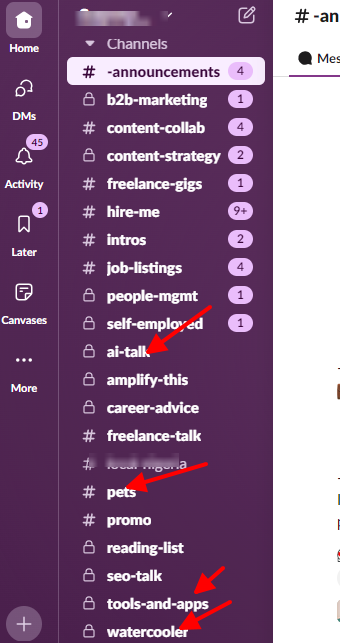
These different channels allow team members to mingle and chat casually. According to Nectar HR, 40.38% of employees say connection to their coworkers is important to company culture and, by extension, employee engagement.
Brittney Simpson, founder of Savvy HR Partner, also says that "creating opportunities for employees to interact in a more informal setting… can help foster a sense of community and camaraderie."
For maximum impact, make these spaces inclusive by ensuring leaders participate too.
When executives and managers share their interests in these channels, it signals that these spaces are valued by the organization and breaks down hierarchical barriers that might prevent open communication.
4. Encourage trust-building leadership behaviors
Team members who trust their company are more engaged in their work and are more committed to the company. However, trust is built by how leaders approach it.
Stephen Covey, author and speaker on trust, explains that "When the employee feels that they're trusted, they feel that they're being seen for who they are, for what they can bring to the organization. They feel that they can make a difference, have an impact."
Gallup's studies also showed a 14 times increase in employee engagement when trust levels were high between employees and their immediate supervisors.
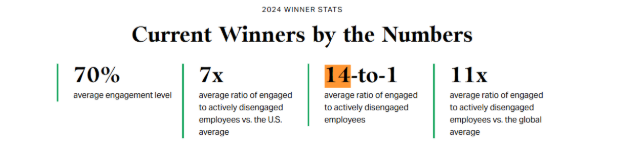
When leaders extend trust, team members feel a natural obligation to prove worthy of that trust. As Covey says, “when we give it, people receive it, and they return it”.
In other words, it becomes an “obligation” to meet up with expectations.
One of the ways to show trust is to say things like “Feel free to ask for extra time to get everything you need.”
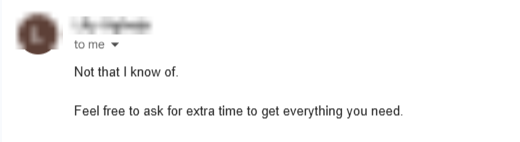

It'll psychologically amp up their psyche, and they'll be willing to give it their all.
Like Jim Collison, community manager at Gallup, says, “I’ve been in environments where I've been inspired by someone who trusted me, where right up first, I did not trust them, but they extended trust to me, and I got engaged, and all of a sudden, I felt this, okay, they want me to participate and to be there."
Until your team members feel this way, they may not feel obligated to perform beyond expectations.
Create challenging projects that engage employees
Always find an angle to make projects more engaging to your team members. And you can do that by doing these:
1. Assign tasks based on individual strengths.
People light up when they're doing something they're good at.
You need to understand their individual strength so you can know how to motivate them. It also helps you know who's wired for what. To do that:
- Start with the CliftonStrengths survey. This survey vets your team across 34 talent themes, like “Analytical” for data lovers or “Relator” for trust-builders, and gives you a report of each person’s top five strengths.
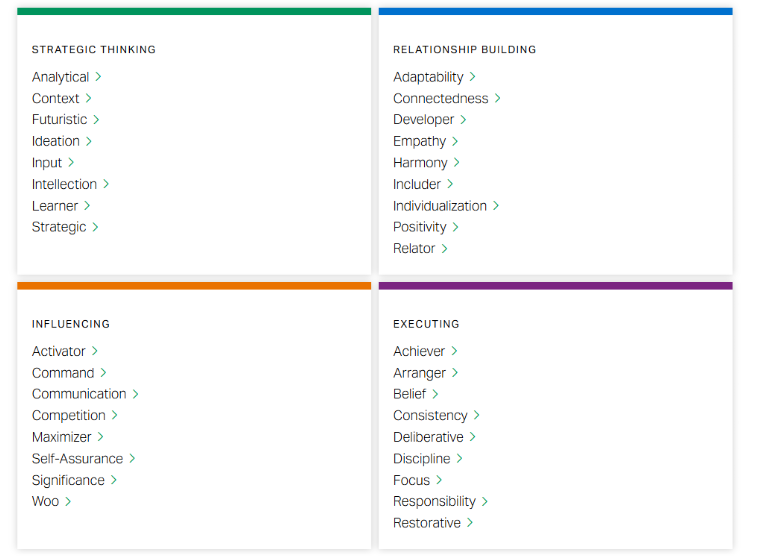
- For example, if someone's top strength is “Analytical,” they thrive on crunching numbers, so assign them to roles where they have to analyze numbers.
If another person’s strength is “Woo” (winning others over), put them on client pitches where they can shine. - Commit to 15-minute interviews using specific, behavior-based questions: Ask, "Describe a project where you lost track of time because you were so engaged," "Which responsibilities do your colleagues consistently defer to you?" and "What work situations give you the greatest sense of accomplishment?"
Document this information and use it in the future when assigning tasks for a new project. The insights can help you determine their areas of strength and assign tasks based on that.
For example, not all writers love writing web copy, and not all managers love leading conference meetings. Some team members are stronger in specific areas of their work; find it.
2. Gamify their work experience
Studies show that when employees feel appropriately challenged, not overwhelmed or underwhelmed, they demonstrate 23% higher productivity and 18% lower turnover rates compared to those in roles with static difficulty levels.
They also love a sense of achievement, so create challenges.
Start by identifying key performance metrics that matter to your business. Create a simple digital dashboard in a tool like Lattice where they can track their progress toward specific goals like deals closed, increased booking rates, or analyze sales data for growth opportunities.
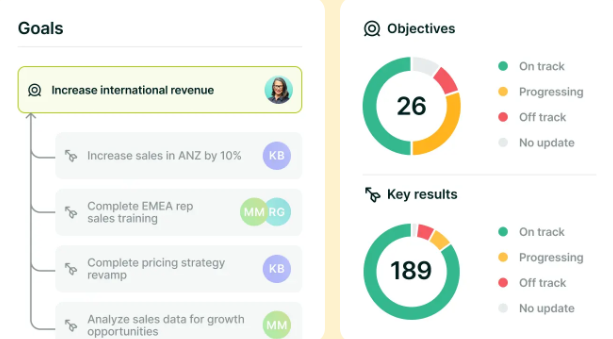
Next, create a sort of milestone for when they achieve something:
For example, a customer service representative might progress from "Problem Solver" to "Client Champion" to "Service Master" based on metrics like resolution time and satisfaction ratings. Make these milestones visible to the whole team through physical stickers or pinned messages on Slack.
3. Create systems to show how their work matters
In weekly meetings, highlight a team member’s work (or efforts) and connect it to how it improves the company. This can be as simple as saying Team Member A’s salesmanship helped bring the company X amount of deals. Do that for each member per meeting.
For hybrid teams, clear communication becomes especially important. Remote participants need to feel fully included in these recognition moments. And high-quality video and audio can significantly enhance this experience. When remote team members can clearly see facial expressions, hear laughter without distortion, and participate fully in celebratory moments, the emotional impact of recognition is preserved.
Our Jabra Panacast 50 Video Bar enhances these interactions with its 180° field of view that captures everyone in the room.


It also has embedded speakers so you don't have to worry about pairing it with an external speaker.
When team members can see and hear each other clearly, they're more likely to feel engaged even in virtual environments.
Learn more about Jabra PanaCast 50 video bar.
Communicate with Two–Way Feedback Channels
One-way communication, where employees share ideas that disappear into a void or managers critique without seeking context, undermines trust and diminishes engagement.
True engagement requires a conversation that flows both ways–where feedback isn't just delivered but exchanged. When employees feel heard, not just spoken to, they develop a deeper connection to their work and your organization.
To create an environment where your employees feel genuinely seen, heard, and valued, encourage meaningful weekly conversations and use a 360-feedback system.
A Gallup study reveals that 80% of employees who received meaningful feedback in the past week are fully engaged with their work. But what makes feedback "meaningful" rather than just routine?
Feedback is part of an ongoing dialogue, not a one-sided evaluation.
Meaningful feedback happens when:
- Team members feel safe sharing their perspectives before receiving criticism.
- Managers ask questions before jumping to conclusions.
- Both parties have a chance to express their viewpoint.
- The conversation focuses on future improvement, not just past mistakes.
To implement this in your workplace, schedule weekly check-ins dedicated to two-way communication. When structuring these conversations, center them around strengths rather than weaknesses. This approach makes feedback something team members value rather than something they dread.
Here's what a strength-based conversation would look like against a weakness-based one:
| Weakness-focused | Strengths-focused |
|---|---|
"Your presentation missed several key features the client wanted to see. You need to be more thorough next time. Know what they want and do better.” | "I noticed how well you handled that tricky question about integration capabilities during the demo. The client was clearly impressed by your technical knowledge. For our next demo, let's build on that and explain more of the core features that would help their business. That will make an even stronger impression." |
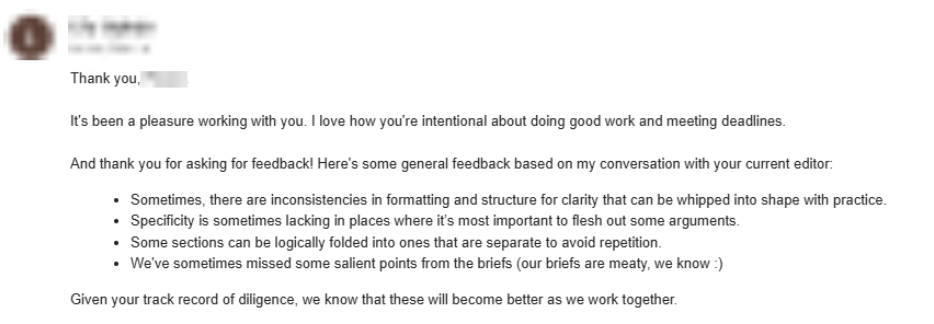
It shows what they’re not doing well but also focuses on what they’re great at and how the manager knows the individual will do better.
Another way to improve your chances of meaningful conversations is to invest in a sound audio system, especially if you have remote teams.
A sound communication system helps you avoid audio breaks or background noises, which can reduce valuable feedback time and break the connection you're building.
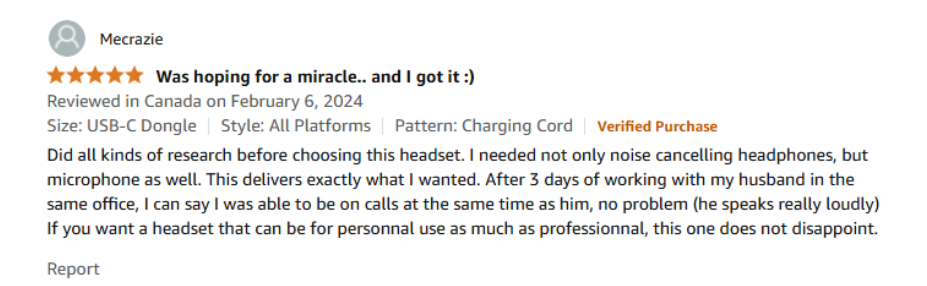
Our Jabra Evolve2 85 headset has an advanced hybrid active noise cancellation feature that creates absolute quiet in any environment. It listens to every word with 10 microphones and has a 37-hour battery life; if each meeting lasts 2 hours per week, you can use it for weeks!

Mecrazie, a user in Canada, says she works with her husband in the same office, and she's able “to be on calls at the same time as him” without any problem, thanks to the ANC.
Cultivate their skills through consistent development
Professional growth is a fundamental driver of employee engagement. When employees have development opportunities, they become more invested in your organization.
Gallup's Q12 survey, a key measurement tool for employee engagement, has two development-related items: "There is someone at work who encourages my development" and "This last year, I have had opportunities at work to learn and grow."
This placement demonstrates how central development is to creating an engaged workforce.
So, how can you help employees cultivate their skills?
- Start career pathing from day one, says Tessa White. Talk about their career goals for the coming months or years. Then, ask them how you can create opportunities to help them grow. Even if you can't offer promotions in a small company, you can still build valuable skills they need for career advancement.
- Develop their skills by focusing on their strength. Amjed Saffarini uses a rubric approach:
In his words, "We run these rubrics (sort of performance review) every six months with our teams...you would have effectively the ability to look at this report card-looking thing that doesn't have any A's, B's, or C's, or D's, but instead says (to the coworker);
‘For all these items that you have in here, here are the things you're absolutely knocking out of the park, and then there are these stretch areas’ you can improve on.
This approach means you're providing specific feedback on their area of weakness (stretch areas) so they can improve.
The more specific the feedback, the better. The rubrics are reviewed every six months (or less if you like). It encourages self-improvement, especially if they see that you are committed to their growth.
Organizations that make development a priority see higher engagement. Their managers become coaches who deliver feedback that motivates real improvement—creating the kind of environment where people want to bring their best.
When employees feel they're growing, they're not just showing up—they're fully invested in your success and their own. In other words, engaged employees become psychological “owners.”
How To Measure and Track Employee Engagement
Now that you know how to improve employee engagement, here are four ways to track if it's actually working:
1. Absenteeism rate will reduce
In an interview with Gallup, Ana, a nonprofit director, says she wants to call in sick because she doesn’t “want to get up and do anything the next day.”
In her words:
“I don’t want to get up and do anything the next day. I think about calling in sick, so I don’t have to deal with the fires.”
The urge to call in sick (or doing it) is common, but engaged employees will always show up because they feel valued. When they call in sick when they're not, it means they're stressed, and 41% of all employees are stressed:
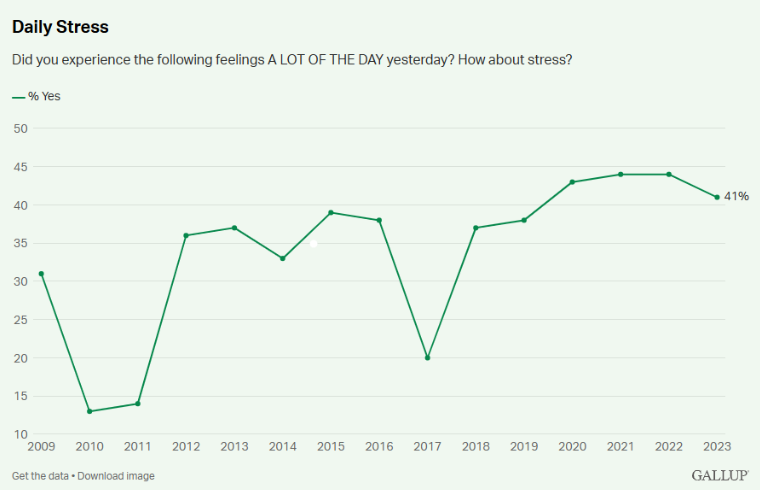
So, tracking the absenteeism rate helps you understand the energy levels of your team members. Here's a formula to calculate it:
Number of absent days ÷ number of available work days × 100.
If someone is absent for 10 days in a 231 workday, their absenteeism rate is: 10 ÷ 231 × 100 = 4.3%.
This is high, given that the average (after removing time offs and holidays) should be 1.5%.
You can also calculate team or organization-wide absenteeism rate. What do you do afterward:
- Segment the rate by team, department, and manager to spot problem areas.
- Compare absence patterns with other signs of disengagement to know the core issues.
- Allow flexible work policies to reduce unnecessary absences and work-related stress (work from home, hybrid work, 4-day work week, and discourage working overtime).
2. Voluntary turnover rate will reduce
Engaged employees stick around. When they start leaving, something's broken. To calculate the turnover rate, use the formula:
Number of voluntary resignations ÷ average number of employees × 100.
If your company started the year (or quarter) with 500 employees and 75 voluntarily left, your turnover rate is 15% (75 ÷ 500 × 100). So, what can you do?:
- Identify engagement gaps through exit interviews: Ask departing team members what would have made them more engaged and connected to their work. Their candid feedback can reveal engagement blind spots your current employees might not feel comfortable sharing.
- Target engagement efforts by performance level: When analyzing turnover, pay special attention to your top performers' reasons for leaving. Their insights can help you design engagement initiatives that will resonate with your remaining high performers who may be at risk.
- Finally, ask departing employees if they would recommend your company. Their answer reflects how engaged they felt during their stay and can provide clues about which engagement drivers you need to improve.
3. Use the Employee Net Promoter Score (eNPS) to know if they’ll recommend your company to others
eNPS measures employee loyalty by asking one straightforward question: "On a scale of 0-10, how likely are you to recommend our organization as a place to work?"
Based on their responses, people fall into three categories:
- Promoters (9 - 10): Enthusiastic, engaged advocates who fuel growth.
- Passives (7 - 8): Satisfied but unenthusiastic employees vulnerable to competitors.
- Detractors (0 - 6): Unhappy employees who may damage morale and reputation.
This survey shows how employees truly feel. And once you have promoters, make them happy and focus on converting the passives.
What you can do:
- Follow up with one open-ended question: "What would make you more likely to recommend us?" This shows where you can improve.
- Segment responses by department, tenure and role to identify any pattern in employee engagement.
- Track quarterly to spot trends before they become problems.
- Share results transparently. Let them know you heard them and you'll improve. Be accountable.
Don’t Motivate—Eliminate What’s Demotivating
Employee engagement is more than a metric; it’s a company culture. When your team members feel connected to their purpose, supported by leadership, challenged by meaningful work, and heard through two-way communication, they bring their full potential to work every day.
You can measure engagement by reduced absenteeism rate, lower turnover, and high employee net promoter scores. These can create a continuous feedback loop to know where you can improve.
Bottom line: start with one initiative, track its impact, and build from there. You’ve got this!