Integration.
AI is part of everyday work.

AI has changed the way we work. But who is adapting best? We asked 6,000 knowledge workers across six markets.
AI is changing how work gets done, from how we prepare for meetings to how we solve problems and make decisions.
But while technology is moving fast, the bigger question is what that change means for the people doing the work.
WorkLife 2026 explores what helps people thrive through this transition, and what organizations can do to lead the AI transformation.
We surveyed 6,000 knowledge workers across six markets, analysing almost 200 variables to understand how people are experiencing the changing world of work. What we found was a striking divide.
Some are moving forward with confidence. Others are struggling to keep up.
So what is creating the divide?

Our research showed that three factors influence our experience of work more than anything else.
Around 15%of workers have all three in place. We call them AI Superusers. Compared with people who don't use AI, they're 1.75x more optimistic about their careers and 3.7x more likely to feel secure in their role.
The good news: none of the three is a fixed trait. AI Superusers are built, not born. The report shows you how.
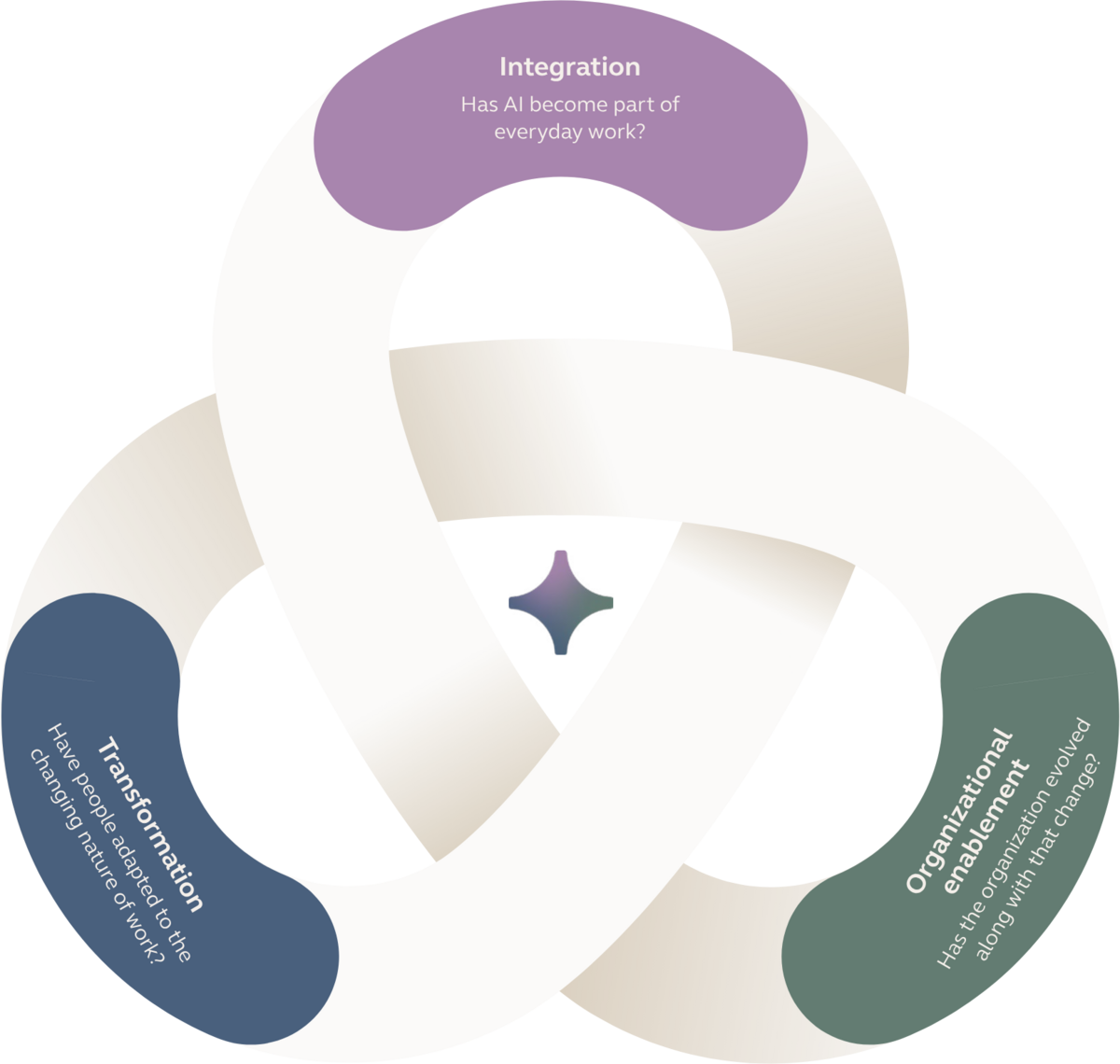
AI is part of everyday work.
The organization has evolved alongside its people.
People have adapted to the changing shape of work, moving naturally between typing and talking to AI.
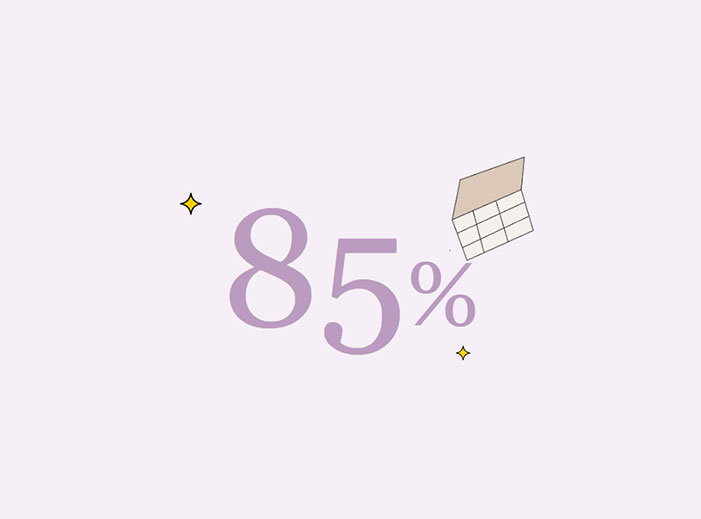
It was meant to take the routine off our plates. Instead, every type of work grew. 85% of workers are doing more of at least one kind of work than a year ago, and even admin is up for almost half.
Read the full report to find out where this time is going.
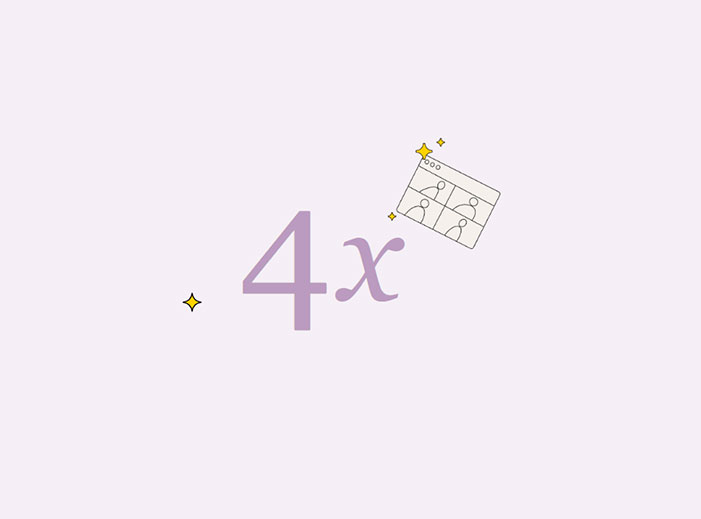
The single biggest predictor of a good WorkLife? Your manager. People whose managers can guide them on AI are 4x more likely to feel optimistic about their career and 7.5x more likely to work in AI-redesigned workflows.
Right now, half of workers can't say that about their manager. If you make one investment in AI this year, upskill your managers.
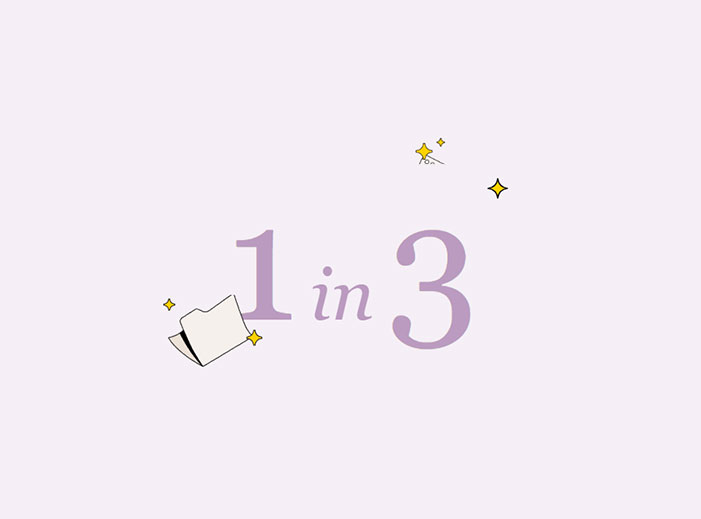
You'd expect the people living through the most change to find work hardest. We found the opposite. Around one in three workers say their job has barely changed, and they report the lowest satisfaction, preparedness and career optimism in the study.
Individual contributors are almost 2.5x more likely to be affected than senior leaders.
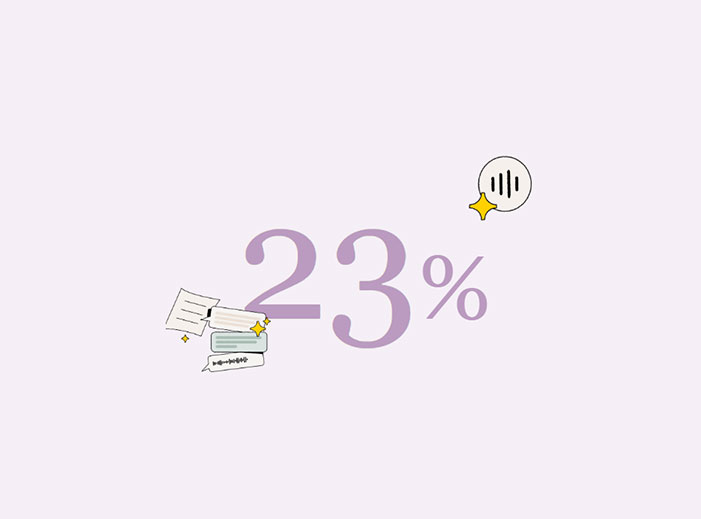
People who talk to AI carry a heavier load: more meetings, more decisions, more change. Yet they're 23% less likely to associate work with stress and 35% more likely to feel motivated.
They also report more organizational support on every measure we tracked. What does that tell us about the organizations behind them?
Get the full data, the six-market breakdown and a practical playbook for building an AI-ready workforce.
One report. Three signals. Everything you need to build a workforce that thrives alongside AI.