

Rebuilding Culture in Hybrid Environments
If you’ve recently switched to hybrid work (or are about to), you probably know that changing where people work is the easy part. What’s harder is keeping your people aligned, supported, and connected when they’re no longer in the same place every day.
The rhythms and relationships that once formed naturally in the office don’t carry over by default. To keep your team engaged and supported, you’ll need to rebuild culture with intention.
In this article, you’ll learn what defines a strong hybrid work culture, where companies often stumble, and what it takes to get it right. You’ll also see how Jabra solutions can help you create a more connected, people-first hybrid culture.
What is hybrid work culture?
Hybrid work culture is the shared experience, behaviors, values, and expectations that shape how people work together across both remote and in-office settings. It influences everything from how teams communicate and make decisions to how employees feel about their role and contributions.
In traditional office settings, employees see culture in action. They notice how people show up to meetings, how leaders communicate, and what behaviors are recognized or rewarded. But in hybrid environments, that kind of passive learning breaks down. Teams aren’t always together, so cultural cues are easier to miss.
If you don’t actively shape hybrid culture, something still forms – it just might not be what you intended. It can lean too heavily on the in-office experience, exclude remote employees from important conversations, or create uneven team dynamics that quietly wear down morale.
And when that happens, you risk:
- Disengagement: Remote employees may feel overlooked or excluded from key decisions.
- Turnover: People who feel invisible are more likely to leave the company.
- Silos: Without shared practices, teams retreat into isolated workflows.
- Onboarding friction: New hires may struggle to integrate or understand how the organization really works.
Read: What is Hybrid Work? The Model Leaders Are Getting Wrong
What are the 5 Cs of hybrid work?
The five Cs are the foundation that keeps distributed teams aligned, engaged, and working well together. They are:
- Communication: In hybrid teams, communication needs to be intentional. That means setting clear expectations, making information accessible, and creating equal opportunities to speak and be heard. It also means using the right tools – video conferencing cameras, webcams, and professional-grade headsets – to ensure everyone can fully participate, whether they’re in the room or joining remotely.
- Connection: Culture thrives when people feel connected. So, create moments for genuine interactions, like regular one-on-ones, informal team check-ins, and hybrid-friendly offsites where everyone can bond beyond the task list.
- Clarity: Hybrid employees need to know what’s expected of them, how decisions are made, and where to find key resources. When roles, responsibilities, and processes are clear, people spend less time guessing and more time delivering results.
- Collaboration: Distributed teams need reliable tools to work together across time zones and schedules. That includes video platforms (Zoom, Microsoft Teams), communication tools (Slack, Google Chat), and project management systems (Asana, ClickUp). These tools keep work visible, organized, and easy to track, whether they’re collaborating live or asynchronously.
- Culture: Culture shows up in how people treat each other, how recognition happens, and how leaders lead. In hybrid teams, culture has to be visible in everyday actions, not just during all-hands meetings or annual retreats. It should be something people feel across locations.
What companies get wrong with hybrid cultures
When companies move to hybrid, they tend to focus on things like meeting schedules, office setups, and calendar coordination. What often gets overlooked are the subtle shifts in how people connect, communicate, and feel about their place on the team.
Here are some common cultural gaps that form in hybrid environments:
-
Fragmented experiences: In hybrid setups, in-office employees often get more access to offhand updates, quick clarifications, and side conversations that never make it into Slack.
This dynamic flips when office days rotate and remote employees work from the office, but the imbalance remains. Over time, people start to feel like outsiders whenever they’re working remotely. -
Meeting inequality and tech fatigue: When essential tools like video conferencing cameras, webcams, or high-quality headsets are missing (or when poor-quality gear is still in use), remote employees struggle to stay engaged.
They can’t always tell who’s speaking, miss side comments, and strain to hear over background noise. Over time, this wears them down and deepens the disconnect between those working remotely and those onsite. - Weak onboarding: In a hybrid setup, new hires don’t always get to see how teams interact in real-time, how decisions unfold, or what “good” looks like in practice. Without that exposure, they miss the unspoken cultural cues that help people find their footing, build relationships, and feel like part of the team.
- Manager blind spots: In hybrid environments, managers don’t always see their team in person, which makes it easy for them to miss early signs of burnout, frustration, or disengagement. Some managers try to fill the gap with frequent check-ins, but without context, that can feel more like micromanaging than support.
- Disconnection from lack of informal interactions: Culture isn’t built in scheduled 30-minute blocks. It lives in spontaneous conversations, shared laughs, and quiet encouragement. Hybrid work doesn’t naturally make space for those moments, which means you have to create them on purpose. Otherwise, that sense of connection starts to fade.
The core pillars of a strong hybrid work culture
As you rebuild culture in a hybrid environment, here are the core principles to prioritize:
Trust and transparency
In hybrid teams, clarity is everything. People can’t rely on watercooler conversations or chance encounters to stay informed, so they need shared goals, clear expectations, and communication that doesn’t leave room for second-guessing.
This isn’t unique to hybrid work, though. Teams everywhere need open, honest leadership. But when team members are not all in the same space, that kind of transparency takes more intention. Leaders have to share information, explain decisions, and tackle challenges out in the open to build trust.
Asynchronous tools like Slack help support this. So does reliable gear. Headsets like the Jabra Evolve Series and Engage Series deliver clear, uninterrupted audio, helping employees stay focused and fully present in every conversation.
Inclusion and equity
When some team members are in the room and others are on a screen, meetings can quickly feel unbalanced. Side conversations happen, body language gets missed, and remote employees hold back because they’re overwhelmed by the activity happening between those in the office.
Creating equity means designing interactions so everyone can participate fully, no matter where they are. Videoconferencing cameras like Jabra PanaCast 55 VBS bar or Jabra PanaCast 50 help make that possible, with a 180° view that captures the entire room and clear audio that keeps everyone in the conversation.
Shared purpose and alignment
When teams are spread out, it’s easy for people to become siloed – heads down on their own work, unaware of what other teams are doing or whether everyone’s moving in the same direction. That’s where culture can quietly unravel.
Shared purpose keeps teams connected, even when they’re apart. Here are a few ways to keep alignment strong:
- Tie individual goals back to broader company objectives during team check-ins and performance reviews.
- Reinforce company values regularly by encouraging cross-functional collaboration, recognizing proactive team members, and shouting out moments of integrity, empathy, or accountability.
- Create space for cross-functional updates, so teams understand how their work fits into the bigger picture.
- Share leadership updates in multiple formats (live, recorded, or written) to meet everyone where they are.
When people understand the “why” behind their work, they show up with more energy, ownership, and connection.
Connection and belonging
Culture can’t survive without human connection because relationships are what bring values to life. Without that sense of closeness or community, culture becomes a list of ideals rather than something people actually feel or live out.
Here are a few ways to build that sense of belonging:
- Start meetings with a quick personal check-in. It’s a small gesture, but it signals that you care for your employees’ well-being.
- Celebrate wins (big or small) in shared channels, so remote employees don’t miss out on recognition and team energy.
- Host hybrid-friendly social events like virtual coffee chats, team trivia, or collaborative playlists – moments that bring teams together, even when they’re apart.
- Encourage informal peer mentoring, so employees can build relationships beyond their direct teams.
How can technology help with this?
Professional-grade headsets like Jabra Evolve3 65 Flex make it easier for employees to stay connected on the go.
With a foldable design, adaptive active noise cancellation, and Jabra AirComfort™ technology, this headset keeps conversations clear and comfortable, whether someone’s calling in from home, a coworking space, or a team offsite.
For hybrid teams, technology like this helps people feel included, heard, and truly part of the conversation.
How to build a resilient, people-first hybrid culture
If you’re trying to build a lasting, inclusive, and people-first hybrid culture, here’s a step-by-step approach you can take:
Step 1: Audit your current culture
Before you make changes, you need a clear view of what your culture looks and feels like right now. In hybrid teams, some employees may feel connected and included, while others quietly drift to the margins. Auditing your culture helps you spot where those gaps are and where to realign.
Here’s how to do it:
- Run short, anonymous surveys asking how connected, supported, and included employees feel.
- Interview a mix of remote and in-office team members to surface differences in experience.
- Watch for behavioral cues: Are cameras staying off in meetings? Are new hires building relationships with longstanding employees? Is recognition happening evenly across team members?
As you filter through responses, look for patterns. If, for example, remote employees say they hear about key decisions later than their in-office peers, that’s a sign your culture may lean too heavily on in-person visibility.
Step 2: Codify rituals and norms across distributed teams
When team members don’t share a physical space, shared rituals help bridge the gap. But they have to be intentional and consistent.
Examples include:
- Monday team kickoff calls, where each team member shares a weekly goal or intention.
- A dedicated end-of-week moment (like a “Friday wins” Slack thread) to recognize progress and shout out peers.
- Welcome rituals for new hires that include team intros, virtual coffee chats, and public shoutouts in your comms channel.
- Virtual “open hours” where anyone can drop into a Zoom room for informal chats (add them to the calendar like any other recurring meeting).
💡 Pro tips
- Document these practices in your onboarding materials, team playbooks, or a shared Notion page so teammates can remember to do them.
- Lead by example. When you practice what you preach, it’ll be easier for team members to follow suit.
Step 3: Invest in inclusive meeting experiences
Hybrid meetings are often where culture cracks first, and most visibly. When remote employees can’t see who’s speaking, follow the conversation, or make themselves heard, frustration builds and engagement fades.
To make meetings inclusive, you need tools and setups that remove friction across locations. That includes:
- Video conferencing cameras, like Jabra PanaCast 50 or Jabra PanaCast 55 VBS, with a wide field of view and crisp, balanced audio, so remote participants can see the full room and follow the conversation naturally.
- Professional-grade headsets, like the Jabra Evolve or Engage Series, with strong connections and noise cancellation to block background noise and keep voices clear, whether someone’s joining from home or a shared workspace.
- Thoughtful room setups: Position screens, mics, and cameras so remote attendees feel like part of the meeting, not observers on the sidelines.
💡 Pro tip: Assign someone in each meeting to advocate for remote participants. Their job is to monitor the chat, flag raised hands, and make sure everyone gets airtime.
Read: Improving the hybrid meeting experience with professional technology
Step 4: Prioritize tools that support visibility, flexibility, and voice
When employees work in different places, the right tools keep their contributions visible and their workflows aligned.
Consider these tool types:
- Visibility tools: Project management platforms like Asana, ClickUp, or Trello make it clear who’s doing what, what’s moving, and where support is needed.
- Flexibility tools: Async-friendly tools like Loom for walkthroughs and Slack for updates or voice notes let teammates contribute in their own time.
- Voice-enabling tools: Reliable audio and video gear ensures everyone can speak up and be heard. No one should miss out on contributing or being part of key decisions due to poor tech.
Step 5: Train managers to lead hybrid teams with empathy and clarity
Managers shape culture through how they communicate, recognize effort, and support their team. But many haven’t been trained to lead hybrid teams where visibility is lower, dynamics shift quickly, and support needs aren’t always obvious.
To support managers:
- Offer training on how to listen actively, recognize remote effort, run inclusive meetings, and ask the right questions in one-on-one check-ins.
- Share guides or templates for running effective hybrid meetings and check-ins.
- Give managers tools like employee engagement dashboards, anonymous feedback channels, and even leadership coaching, so they can spot issues early and course-correct.
Step 6: Build continuous feedback loops
Culture isn’t static. It shifts and reacts to what’s happening inside and outside the company. To keep it healthy, you need real-time input from both remote and in-office employees.
Here’s how to set up a feedback loop:
- Run quarterly pulse surveys with no more than 5–6 focused questions about connection, inclusion, and team dynamics.
- Rotate in open-ended questions that invite honest reflection: “What’s one thing that would help you feel more connected?” or “What’s a recent win you think went unnoticed?”
- Use one-on-one meetings to gather unfiltered feedback – then actually act on it.
- Close the loop by sharing what you heard and what you’re doing about it. That transparency builds trust over time.
Read: What Is a Hybrid Work Schedule? Models & Tips That Work
The tools that will sustain your hybrid culture
The strength of your hybrid culture depends on what happens every day: quick chats, team calls, project updates, and one-on-ones. That’s why the tools your team uses to see, hear, and connect with each other matter.
Professional-grade video and audio gear reduce friction, level the playing field, and keep hybrid teams present and engaged, no matter where they’re working from. Jabra’s range of professional technology is designed with this in mind:
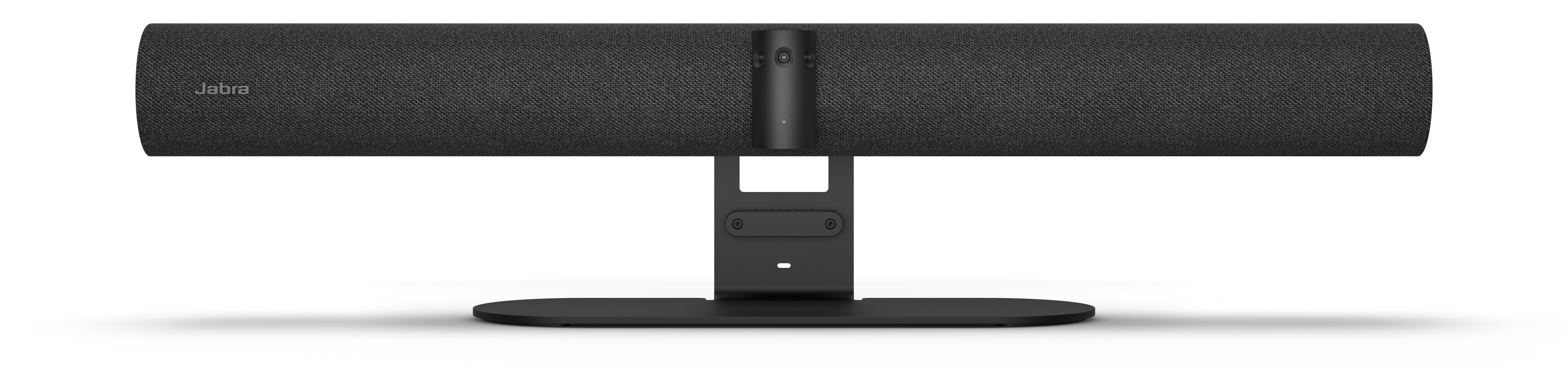
- Jabra PanaCast 55 VBS: A room-ready videobar, with 180° field of view and intelligent framing that helps remote participants feel like they’re in the room.
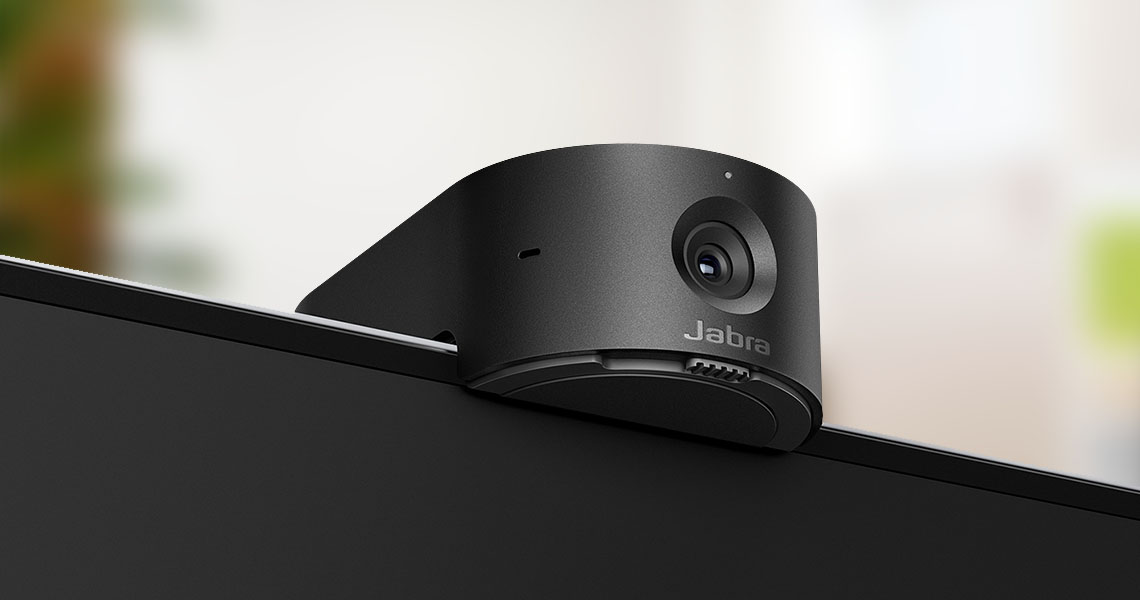
- Jabra PanaCast 20: A personal video camera with 4K Ultra-HD video that helps remote employees show up clearly on calls, whether they’re at home or traveling.
- Jabra Evolve3 65 Flex: A foldable, portable headset built for hybrid workers who need comfort, focus, and flexibility throughout their day.
- Jabra Engage Series: Designed for call-heavy roles like sales and customer support, these headsets deliver consistent, high-performance audio across locations.
Of course, the right tech is only part of the equation. Other tools include:
- Zoom and Microsoft Teams support real-time communication.
- Loom and Slack support asynchronous communication.
- Asana and Notion keep workflows visible and organized.
When combined, these tools create a more connected, consistent experience where culture can thrive, no matter the distance.